

Most of us look forward to some quality time away from the world while we’re on our boats, but the key to any motor yacht is what’s under the hood whether you’re thinking about yacht maintenance or upgrades, your choice of engine matters. If you’re powered by petrol, you’ve essentially got two choices: the Volvo Penta or Mercury Marine. Deciding which suits your needs best will lead you into one of the longest-running debates in yachting. In today’s guide, we’ll discuss Volvo Penta vs. Mercury Marine engines to help you make the right choice for your vessel.
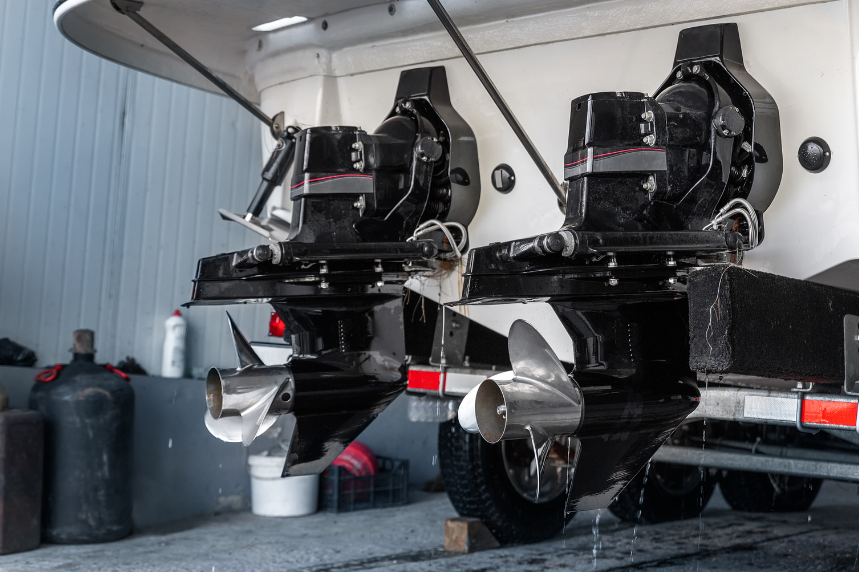
Volvo Penta vs. Mercury Marine: Which is Best?
Truthfully, both companies dominate sterndrive manufacturing in the boating world. Comparing the two companies is a debate as old as time. The problem is that they both make great products, which is why, if we’re thinking objectively, there’s little to choose between them. It’s why both companies have massive fan bases.
So, let’s dig into their histories and touch upon some of the most important aspects of these engines.
The Reliability Issue
Reliability is your priority when it comes to yacht management because an engine that doesn’t run when it should is a liability. For over 50 years, both companies have been manufacturing petrol-powered sterndrive engines.
Volvo released their engine in 1968, and undoubtedly, the AQ 80 S was a game changer. Previously, motor yacht engines were limited to heavy inboards or old-fashioned two-stroke outboards. Essentially, Volvo was the inventor of the sterndrive, or what they call the Aquamatic.
Mercury Marine followed soon after, but it always seemed like they were one step behind their great rivals. However, their engines were still extremely reliable, which is why they have been successful for so long.
What are the Differences Between Volvo and Mercury Marine Engines?
Anyone looking up the yacht price of a new vessel wants to know what’s powering their new motor yacht. Until 2015, the engines used by both companies were always similar because the base engine was manufactured by General Motors and used practically the same automotive technology.
However, that’s all changed because of the need for better fuel efficiency and more stringent emissions standards. Before these changes, engines from both companies consisted of the following as standard:
- Cast iron block
- Raw water cooling
- Fixed camshaft timing
- Port fuel injection
General Motors stopped producing these older iron engines and transitioned to aluminium high-pressure direct injection engines. The upgrade meant enormous amounts of torque and maximum engine power of 6,000 RPM, while being 15% more fuel efficient than the old engines.
Volvo Penta was quick to jump onto this engine, as they made it their new base, but Mercury Marine diverged and decided to manufacture their own version of the iron GM engine.
What Does This Mean for Yachts?
In short, for the first time, there are substantial differences when comparing Volvo Penta vs. Mercury Marine. Here’s a breakdown of what this means for you:
· Weight – The weight of the engines is considerably lighter when opting for Volvo because of the aluminium base. On average, you can expect a weight reduction of 10%.
· Emissions – Volvo offers significantly better emissions ratings because of the high-pressure direct engine that sends fuel straight into the cylinder, resulting in cleaner exhaust.
· Fuel Efficiency – Comparable Mercury Marine engines cannot compete with Volvo’s fuel efficiency rating, which is 15% more fuel efficient than traditional port fuel injection systems.
Pure Performance: How Do They Compare?
Better fuel efficiency and lower emissions matter to many skippers, but what about captains who value performance above everything else?
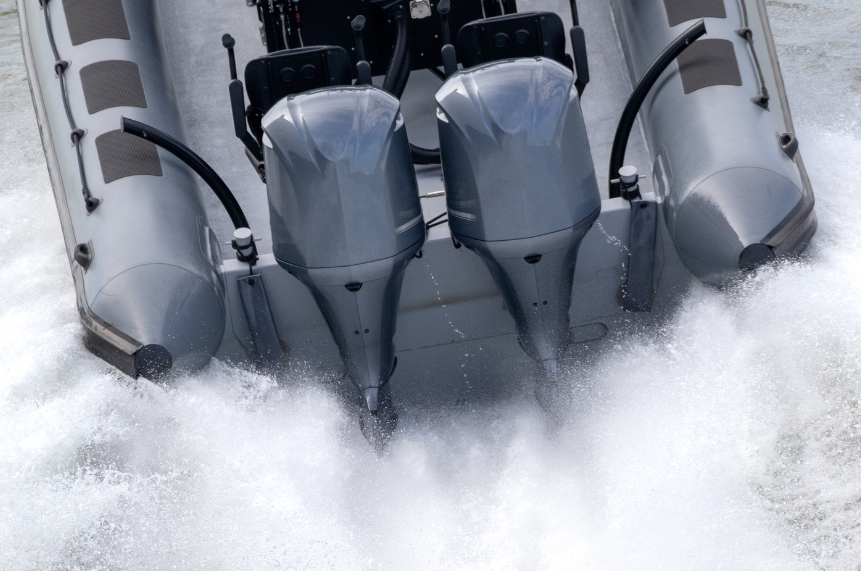
It’s vital to mention that Volvo Penta performs well in several areas, but this is where Mercury Marine stands out in terms of complete power. Put two comparable engines from each manufacturer together, and the Mercury Marine engines win every time because they have higher torque and horsepower.
More torque and horsepower mean that yachts equipped with these engines will see faster acceleration and higher top speeds. Of course, this is better over shorter trips, whereas for longer trips you may want to prioritize the superior efficiency of the Volvo.
Technological Innovation
Until 2015, there was basically nothing to separate the two manufacturers because they used the same base engine, meaning they also had access to the same technology. The divergence means that there are now tangible differences in features between the two.
For example, Mercury Marine offers joystick piloting, which simplifies manoeuvering into those tight spaces in crowded ports. They’ve also integrated next-generation technologies to provide real-time diagnostics and alerts, making yacht management and maintenance more straightforward.
On the other hand, Volvo Penta also has its fair share of technologies. One of its most prominent proprietary technologies is the Forward Drive system. Essentially, it’s a more versatile propulsion system to give you more control and provide a better boating experience for you and your passengers.
At the end of the day, it largely comes down to what you prioritise in your vessel.
Conclusion: Which Engine is Best for You?
In the past, the debate between the two manufacturers was largely academic and more than a little tedious. Today, there are tangible differences between the two. Regardless of their differences, both remain premium manufacturers, with no clear winner.
In essence, the decision depends on what you prioritise. If you want to save money on costs, the Volvo engine will serve you well, whereas if you’re a performance junkie then the Mercury Marine range wins out every time.
Which engine manufacturer do you prefer?
Volvo Penta vs. Mercury Marine FAQs
How many hours can you put on a Volvo Penta engine?
Generally, you can expect to get at least 1,000 hours of cruising time out of the average Volvo engine. Your mileage may vary depending on how good you are at staying on top of maintenance and where you’re sailing.
Are Mercury boat motors reliable?
Yes, Mercury boat motors are known for their durability and longevity in the same way as Volvo engines are. However, the reliability of your engine will depend on how well you take care of it and the aftermarket parts you use.
Who makes the best boat engine?
This is a matter of opinion, but most people agree that Volvo, Yamaha, and Mercury are the top boat engine manufacturers in the world. All of them are known for their high engineering standards, lower maintenance needs, and lasting reputation for durability.