

Stepping aboard your boat is stepping into adventure. As safe as modern vessels are, whenever you buy a boat, you must think about what can go wrong. It’s not about being morbid or tempting fate but about ensuring you and your guests stay safe on the water, so you can enjoy everything the world’s waters have to offer. If you’re looking for “boats for sale near me” or you’re already talking to boat dealers, safety might be the last thing on your mind. Generally, managing safety is pretty simple when you’re experienced and have all the necessary safety equipment onboard and maintained. In this guide, we give you our top five boating safety tips to ensure every trip is one to remember for all the right reasons.

1. Always Wear Your Life Jacket
Life jackets are hardly the height of fashion, but they’re the most important safety device onboard. Going overboard is when tragedies happen, but when everyone has their life jackets on, their chances of survival soar.
While not legally required in every jurisdiction, any reputable yacht charter company will give you a lecture about life jackets during the initial safety briefing. Follow the crew’s instructions on these jackets and don’t try to come up with an excuse not to wear one.
Don’t worry about feeling like you’re wearing a puffy, uncomfortable jacket the whole time. Modern life jackets aren’t as bulky as they used to be, and they’re designed to be worn for long periods.
2. Designate a Sober Skipper
Alcohol and boating are never a good idea. One of the top boating safety tips is to appoint a sober skipper for the whole trip. Wherever you are in the world, the effects of alcohol are magnified when out on the water, and that’s why drinking is one of the most common causes of fatal accidents.
Consider the sober skipper to be the water-based equivalent of going to the pub with a designated driver. On a side note, many jurisdictions classify boating under the influence (BUI) as a crime on par with drinking and driving. If caught, you could be hit with enormous fines and even prison time.
3. Take a Formal Boating Safety Course
You’d be amazed at the number of people who buy a boat and then try pulling away from the shore. It’s not uncommon for jurisdictions, especially in parts of the U.S., to mandate that all skippers possess some form of safety certification.
However, don’t just see it as a box-ticking exercise. Even experienced skippers benefit from a safety course refresher. These courses will cover issues like:
- Right-of-way
- Emergency procedures
- Weather
- Equipment checks
- Navigation rules
Although online classes are available, there’s no substitute for getting out on the water and practical implementation. These training courses will prepare you for the scenarios you might encounter, including high winds, engine failure, and storms.
4. Check the Weather and Check It Again
Whatever the boat dealers tell you, bad weather is a threat to every vessel. Clear, sunny skies in the morning can become stormy squalls a few hours later, which is why checking the weather at regular intervals is crucial.
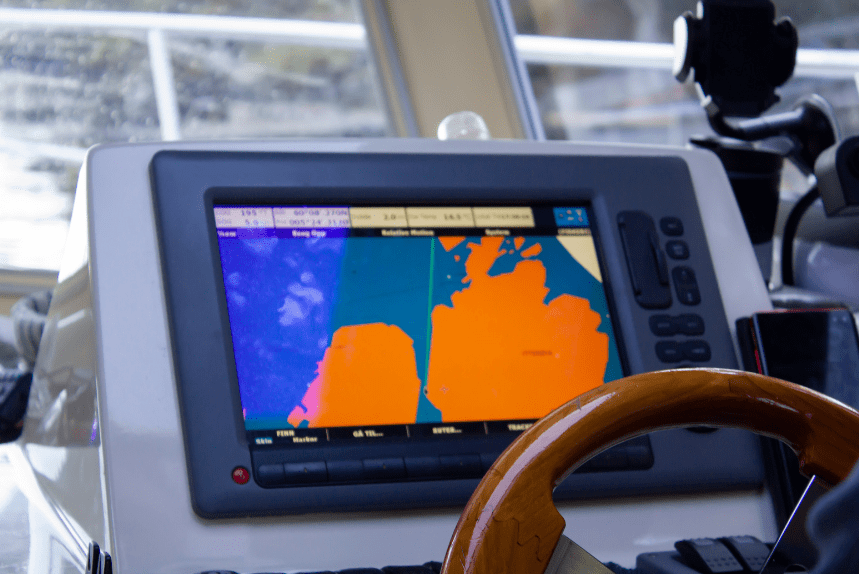
These days, you have more options than ever for keeping abreast of developing weather conditions, including barometers and marine weather apps. Of course, you also have the visual signs, such as shifting winds, drops in temperature, and darkening skies. If you do find yourself boating, ensure you have at least one escape route you can use to head to safety.
Note that you can’t outrun the weather. It’s always best to return to the marina early or cancel entirely if the weather looks like it could go either way.
5. Commit to Regular Maintenance
When was the last time you gave your vessel an in-depth inspection?
Mechanical failures are more common than you think, causing accidents, leaving vessels stranded, and calling for help. Maintenance takes time, and it can be frustrating when you just want to get out on the water, but it’s vital to take it seriously.
Here’s a quick checklist of what you should be looking at before every trip:
- Engine oil
- Fuel levels
- Steering controls
- Throttle controls
- Fire extinguishers
- Life jackets
- Horn
- Navigation lights
- Drain plugs
- Bilge pump
All vessels will eventually require some form of maintenance, like any land-based vehicle. You can take proactive action to reduce how much time you spend on it, though. Simply keeping it clean, storing it properly during the off-season, and ensuring regular servicing will prevent the majority of regular yacht problems.
Conclusion: Staying Safe on the Water
Water safety is essential to regular boating. When conditions become iffy, your safety knowledge and commitment to maintenance prevent a disappointing day from turning into a tragedy. Boat safety saves lives, and it’s every skipper’s duty to ensure they do everything they can to maintain the highest sailing standards.
How do you manage your vessel’s safety?
Boating Safety Tips FAQs
What are the most important boating safety tips for beginners?
Newcomers to the boating world should start by taking an in-person safety course to ensure they know how to maintain safety onboard. Beyond that, always wearing a life jacket, checking the weather, and performing regular maintenance guarantees that your vessel is safe and seaworthy.
How can I practice boating safety when I buy a boat for the first time?
The best way to get started is to get updated on the local laws on navigation and required safety equipment within your jurisdiction. Get yourself into a boating safety course and learn everything you can from more experienced skippers.
Are boat dealers responsible for supplying seaworthy safety equipment?
No, the responsibility lies with the buyer who will ultimately be taking it out on the water. Most boat dealers will ensure that the vessels they sell already meet the minimum safety standards, but if you’re buying an older boat or one that needs refurbishment, you’ll have to handle it yourself. The key is knowing where you stand before you buy, so always get a complete walkthrough of the vessel first.