

Charter a yacht, receive your confirmation, and your journey is about to begin. But if this is your first yacht charter experience, you’re likely wondering what to expect when the day comes to step away from the shore and find your sea legs.
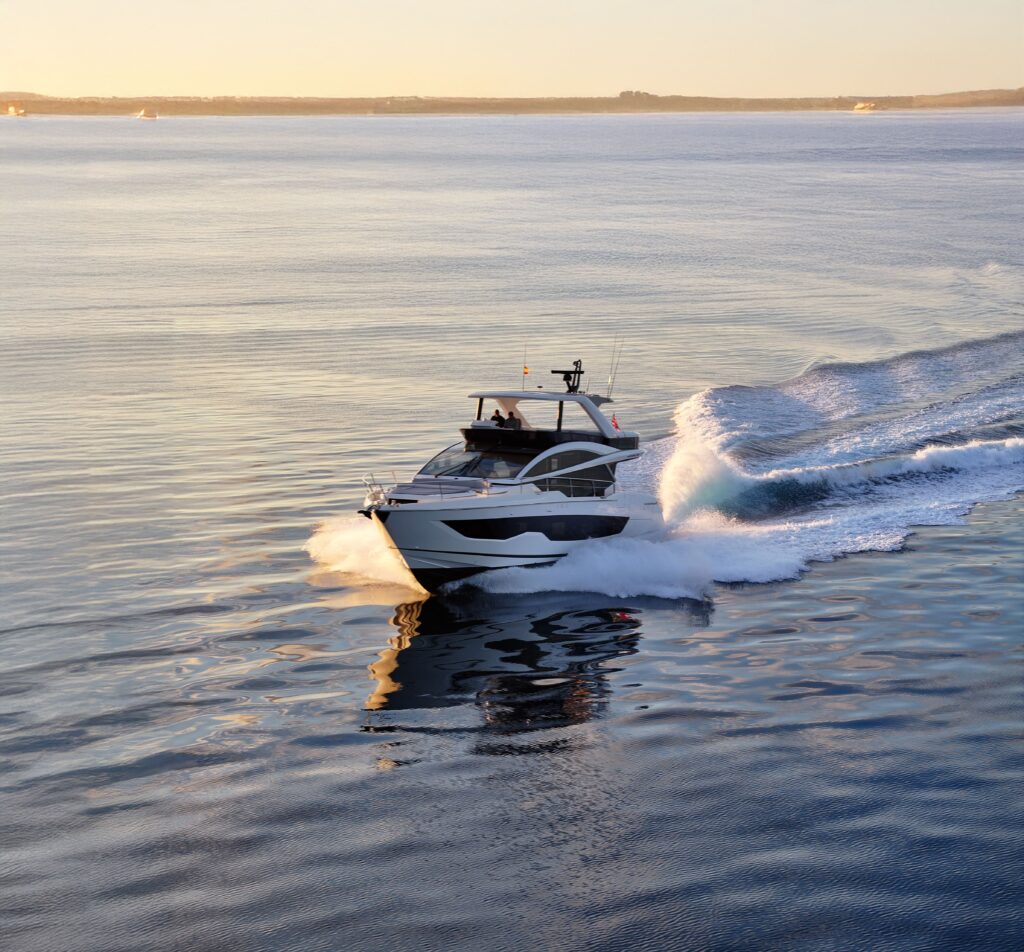
All yacht charter destinations, packages, and itineraries will differ, but some things remain the same. Exclusive yacht charters guarantee you luxury, service, and days where you’ll make memories you’ll cherish forever.
Let’s look at what you can expect when you rent a yacht on your next adventure.
Planning Your First Charter Yacht Experience
The journey when you rent a yacht starts from the booking process. Your first step is planning out what you envision the perfect adventure looks like, including where you’re going, when you’re going, and who’s coming along.
Additionally, you’ll want to know what type of yacht you’re thinking about, whether you want a traditional sailboat or a modern motor-sailer, and the activities you’re interested in, so your captain can take you to all the right places. With all this in mind, it’s time to reach out to your charter provider and let them do the rest of the work.
How Much Does it Cost to Charter a Yacht?
Many brokers will ask about your budget during the booking process to narrow your options. The same goes for booking directly with a charter provider, as the chances are they have a range of options.
Aspects to think about include:
- Yacht type
- Yacht size
- Number of guests
- Destination
- Low, high, or peak season
- Taxes
- Gratuities
Exclusive yacht charter costs vary wildly from modest sums to six-figure all-inclusive packages. Setting your expectations early is essential so you’re not wasting your time.
What Happens Next?
Your broker will check availability and send you a proposal matching your requirements. You’ll likely have two or three options, where possible, to give you as much flexibility as possible.
Once you’re happy with your charter, your charter will be reserved, and you’ll sign a charter contract and pay your initial deposit. Each guest will also fill out a preference form detailing likes, dislikes, interests, allergies, and any medical information.
We know that many people book these charters months in advance. Still, you’ll usually have another call a week or two before departure to introduce you to your upcoming experience and allow you to make any last-minute changes.
What to Pack (And What Not to Pack)
Let’s start with the basics: what to bring and what not to bring. If you’re taking a simple day charter, you’ll need less than if you’re sailing away for a few days on the Mediterranean.
Here are the essentials to bring regardless of your charter length:
- Swimsuits – The chances are you’ll want to leap into turquoise waters or snorkel along colourful reefs at some point.
- Appropriate Clothing – Some people call it resort wear, but it’s just another term for lightweight clothing made of breathable fabrics for lounging and exploring your destination.
- Sun Protection – Bring along some reef-safe suncream, polarized sunglasses, and a hat with a wide brim to keep yourself cool and avoid coming away with more than an epic story.
- Footwear – When you charter a yacht, the rule is no footwear to protect the deck, but you’ll want to bring along some sandals or water shoes for when you hit land.
- Light Jacket – Even in the middle of summer, breezy evenings and early mornings still happen, so pack a light layer just in case.
If you’re going away for a few days and need extra clothing, avoid bringing hard-sided luggage, as storage space might be limited. Instead, a soft duffel bag is more manoeuvrable and easier to store.
If there’s anything you’re unsure about, don’t be afraid to reach out to your charter provider. It’s their job to make the yacht charter experience as amazing as possible!
Embarkation and Start Your Adventure With Your Exclusive Charter Yacht
Once all the paperwork is over and done with, you will arrive at your port of embarkation and get ready to board. You’ll meet your captain, the crew, and the yacht, including a full safety briefing as standard. Pay attention to the briefing because it will include vital information, including where the life jackets are and how to use them.
When you’re settled on your yacht and taken to the seven seas, your adventure has truly begun, and you’ll follow the itinerary you designed. Your captain will provide daily briefings to tell you what will happen on a particular day, as well as tips for things to see and do when you step on land.
Don’t be afraid to ask the captain and crew about attractions, restaurants, and other must-know subjects.
What Happens at the End of Your Trip?
Your post-yacht charter trip ends with paying out customary tips to the crew. It’s standard etiquette to put the tips into an envelope and present them to the captain. The captain will then distribute it fairly.
If necessary, you’ll also have to settle your advance provisioning allowance balance. If there are any unused funds, these will be returned to you. However, you’ll have to cover the difference if you spent more than the allowance.
Once you say goodbye to your captain and crew, it’s now onto your next adventure!
First Yacht Charter Experience FAQs
Is food included in yacht charters?
Generally, no. The charter fee doesn’t cover any food or yacht provisioning. Instead, your Advanced Provisioning Allowance (APA) covers food and other provisioning expenses. Any unused part of the charter APA is returned to you after your trip.
Do you have to tip on a charter yacht?
No law forces you to tip, but it’s customary and a sign of good etiquette. The usual amount to tip on charter yachts is 10-20%. The total tip amount is presented to the captain, who will distribute it to the crew.
What is the barefoot rule on a yacht?
The barefoot rule is designed to protect the expensive, delicate materials that most yacht surfaces are made out of. Materials like teak can easily be scuffed and dented by conventional footwear, so you’ll often see a basket on the gangway for shoes.