

What’s your flag state? It’s not where you’re from or where you live. It’s the place you’re registered with. The flag you fly matters even in the 21st century, with some nationalities being more critical than others. These aren’t just symbols, they influence operational regulations, legal compliance, and even offer tax benefits.

So, what do you need to know about the flag state in yachting?
What is the Most Popular Flag State?
Buy a new yacht for sale, and you can handle all the issues of flagging your vessel at the same time. Determining how much a yacht isn’t just about what’s onboard and where you’re registered. Certain flags are more popular than others due to more favourable regulations on the yachting industry.
Today, the most popular flags are:
- Panama
- Cayman Islands
- British Virgin Islands (BVI)
- Marshall Islands
- Gibraltar
Knowing where to register your motor yacht best will enormously impact how you manage your vessel and the laws you must comply with.
Why Your Flag State in Yachting Matters
Walk around any marina, and you’ll see certain flags fluttering in the breeze time and time again. It’s not because you’ve stumbled upon a gathering of expats but because of what each flag offers in terms of benefits.
Maritime Law Compliance
The primary reason yachts display a flag is because they have to. By law, each flag must have a recognized country’s flag, representing a country’s jurisdiction. It’s part of the legal process and impacts:
- Customs
- Port control
- Insurance
- Liability
- Taxation
In other words, it’s not just about picking a flag that you like the look of. Likewise, you don’t have to have any real tie to the country’s flag you fly.
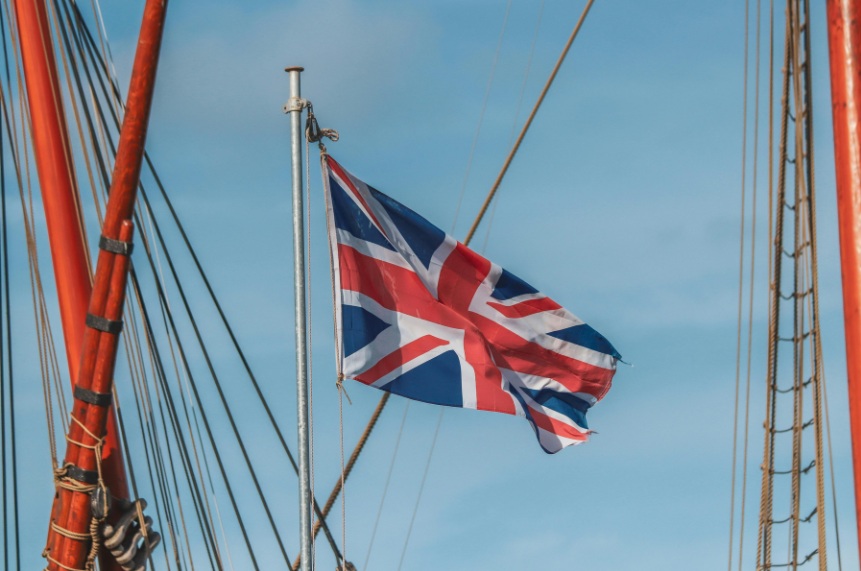
One recent example of how politics can impact the flags people fly is Brexit. The UK’s departure from the European Union (EU) meant that the UK became a third country. With so many British skippers spending much of their time in European waters, many changed their flags to Poland to get around these new complications.
International Maritime Laws and Safety
Local regulations matter, but there are also international maritime laws to think of. One example is the Safety of Life at Sea (SOLAS) regulation. It’s the standard set of international safety standards for the maritime industry, and it’s tied to the flag you’re flying.
Another example is MARPOL, pertaining to marine pollution. This international convention focuses on the pollution seagoing vessels produce. However, your flag influences enforcement. Fly the right flag to indicate compliance with environmental standards and avoid penalties and fines.
Yacht Flag Privilege
Flying a specific flag may be purely done for regulatory reasons. On the other hand, your flag may offer other privileges on your motor yacht that may or may not be relevant to you.
For example, many flags are known as a “flag of convenience”, which is code for a country with better taxation rules and more lenient maritime laws. That’s why you’ll often spot Malta and the Isle of Man represented in the great marinas of the world.
Sometimes, there may even be diplomatic privileges. Your chosen flag state can result in diplomatic disputes, especially if you’re concerned about fighting extrajudicial claims against you from other nations.
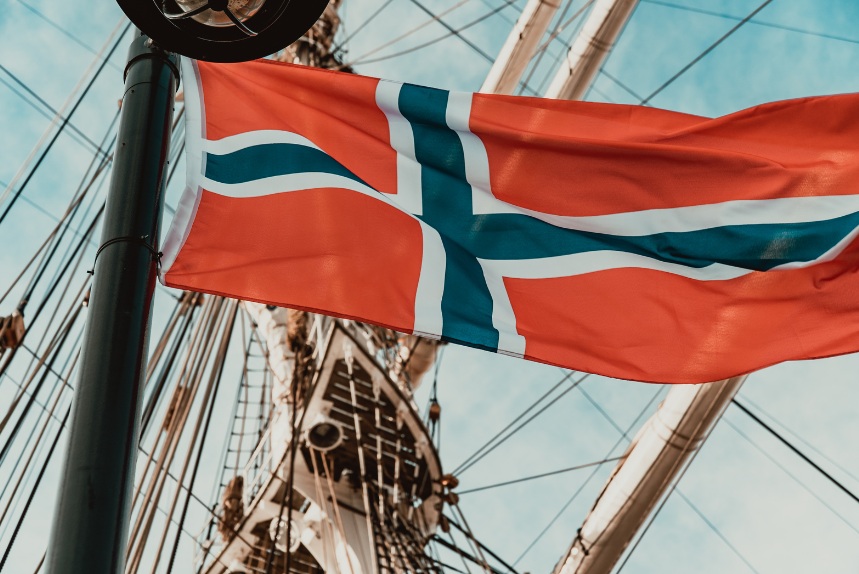
Crew Requirements
Everyone knows that you can’t just hire anyone to work aboard a vessel. Each nation has its own rules on the matter. Different states will have different regulations, such as relating to the nationality of the crew, the required amount of training, and compensation.
Some countries are stricter than others regarding compensation and training requirements, which is why you rarely see pleasure craft flying the flags of these countries. Additionally, it works both ways. The flag of a particular vessel might also provide residency and work visa requirements.
Prestige and Branding
Anyone in the luxury yachting business knows that image matters. Flags are among the first things people spot in marinas, and it’s something that does matter to yacht owners who want to project a certain image.
Registering your vessel under the flag of a nation that projects luxury and prestige adds an extra layer of opulence to the yachting experience. That’s especially important if you use your vessel at high-profile events or run a commercial yachting operation.
Security for Your Yacht
Believe it or not, your yachting experience could even be much safer by making the right choice of flag and gaining the protection that flag provides. Each flag gives specific rights and protections under international regulations like the United Nations Convention on the Law of the Sea (UNCLOS), just like a passport.
For example, due to politics, a yacht carrying a U.S. flag may have issues when going through the Persian Gulf. Likewise, operating under a North Korean or Somalian flag while cruising down the length of Florida could also get you into trouble.
It’s one of the reasons the most popular flags are from nations and territories that traditionally take up diplomatic positions of neutrality on the world stage.
Conclusion: The Flag Matters
Many inexperienced yachtsmen assume that the flag is purely an aesthetic choice, but it’s so much more than a decorative piece of fabric. Your choice will determine so much when managing and sailing your vessel.
Don’t know which flag is right for you? Ensure that you speak to a professional yacht management company to learn more about the pros and cons of particular flags.
Flag State in Yachting FAQs
What is the flag state of a boat?
Your flag tells everyone where your boat is registered. For example, a Panama flag would mean the boat is registered in Panama. The flag you fly has nothing to do with where the owner is from or where they live.
Is it illegal to fly a Jolly Rodger?
Believe it or not, flying a pirate flag on your boat isn’t illegal. However, the Jolly Rodger is known worldwide and projects an unwelcome message that you don’t want to be misinterpreted. Generally, we recommend you avoid flying this flag.
How many flags can I fly?
The place your boat is registered will fly what’s known as an ensign. The flag directly below it is known as a courtesy flag. It may not be a legal requirement in every nation, but it’s seen as good etiquette to fly it below your ensign when entering a foreign port. Apart from that, there’s no limit on how many flags you might fly.