

Buying a yacht is an opportunity to make your sailing dreams come true, but it’s not like going to the shop and buying a pair of trousers. Owning a yacht is an enormous commitment, with a variety of costs and considerations for everyone from newcomers to lifelong yacht enthusiasts. To give you a hand in deciding how to go about buying a luxury yacht, we’ve compiled a list of the most common questions people have. Here’s what you must know before you start browsing for new yachts for sale.
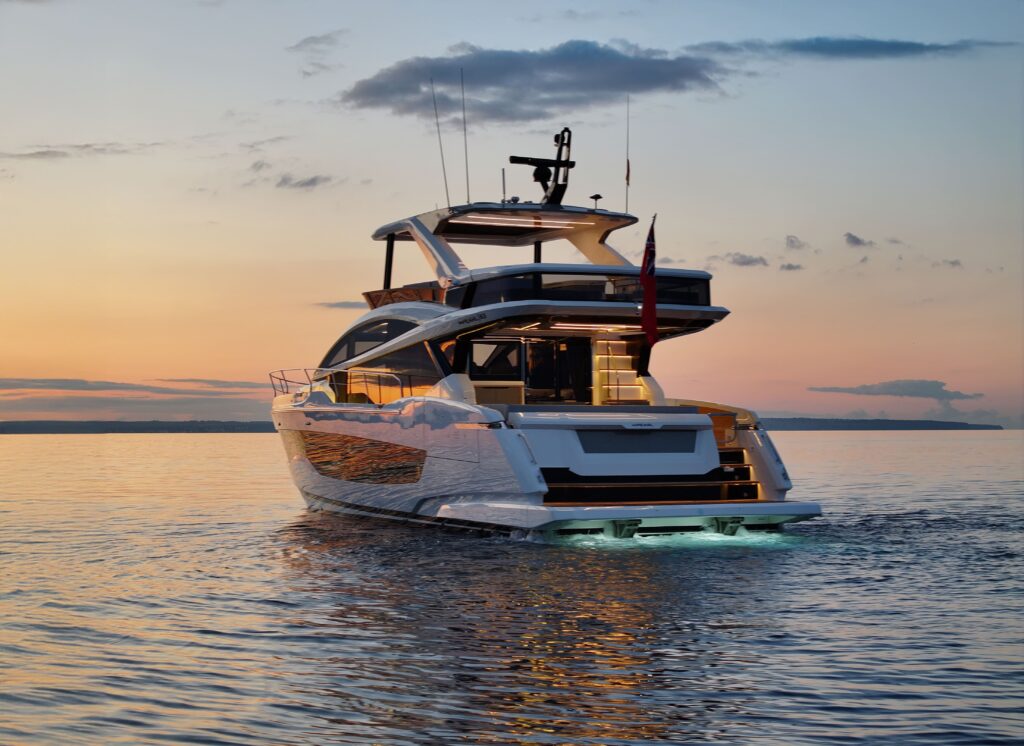
How Much is a Yacht?
The most common FAQ about buying a yacht is the cost. Unfortunately, looking at average prices isn’t much use because there are so many yacht types and sizes to choose from. There’s everything from small 30-footers to giant superyachts surpassing 300 feet.
It also doesn’t account for the fact that it might be new or used. Moreover, the age and brand matter too. Of course, you can find an older, used sailing yacht for as little as £10,000-£20,000, but a new motor yacht might cost ten times as much.
In short, you can spend anything from a few thousand pounds to millions.
What are the Costs of Owning a Yacht?
The initial purchase price is only a part of the costs of owning any vessel. Even if you’ve bought a small vessel, most of the costs will go toward the annual costs of maintaining your yacht. The problem is that these expenses are non-negotiable and are all part of buying instead of chartering.
The costs include:
- Marina fees
- Insurance
- Maintenance
- Repairs
- Fuel
- Crew (if necessary)
- Depreciation
Of course, the larger the yacht, the more you can expect to spend. A megayacht is always going to cost more than a dinky pocket cruiser!
What’s the Average Annual Cost of Owning a Yacht?
Another common FAQ about buying a yacht is how much you can expect to spend annually. Again, it all depends on the vessel in question. Generally, the rule of thumb the industry uses is that your annual yacht ownership costs will amount to 10-15% of the purchase price annually.
If we’re factoring in depreciation, where a brand-new vessel might depreciate by up to 50% over a decade, the real cost can be much higher.
What is the Origin of the Word “Yacht”?
The origin of the word “yacht” dates back centuries to the Dutch Golden Age. The word itself comes from “jacht”, which is a Dutch word meaning “hunt.” It’s similar to another Dutch word, “jachtschepen”, which was a type of sailing boat that the Dutch navy used to intercept larger ships.
The story may have ended there, but the reason why the word is the standard for describing modern yachts is that one of these yachts was gifted to King Charles II of England. He enjoyed using it for leisure so much that it became a universal term in English to describe any vessel that was designed principally for pleasure.
How Do You Buy a Yacht?
Buying a yacht can be done by approaching the owner directly. However, many prospective buyers choose to use the services of a broker to give themselves that extra layer of security and peace of mind.
Generally, the process looks like this:
1. Decide what type of yacht you want.
2. Set a budget.
3. Research available yachts for sale.
4. Visit the vessels on your shortlist (not necessary, but highly recommended).
5. Use a broker to assist with negotiations and drawing up the contract.
6. Undertake surveys and sea trials.
7. Finalise the deal to transfer ownership.
How long it takes to buy a yacht depends on you and the seller. For example, if the seller is communicative and the vessel is already in good condition, the sale can be a breeze. However, if you have to travel long distances, or to other countries, to see the yacht, then it could take much longer.
How Can I Guarantee the Quality of a Luxury Yacht for Sale?
Working with an industry professional is the best way to ensure that what you’re buying is what you expect. The last thing you want is to purchase a vessel only to find hidden problems because you didn’t do your due diligence.
That’s why so many prospective buyers choose to source the services of a broker. These figures have years of industry experience, ensuring that problems are uncovered before you commit to the purchase.
Moreover, don’t jump in with both feet without conducting proper surveys and sea trials. Buying blind rarely works to your advantage, even if it speeds up the buying timeline.
Is Buying a Yacht a Good Investment?
Whether a yacht is a good investment depends on the yacht and how well it holds its value. Most yacht owners have vessels that are an expense rather than an investment, and that’s okay because they didn’t buy them as an investment.
Depreciation catches up on most boats, but it doesn’t have to. Luxury yachts made by reputable shipyards usually hold their value far better, and in some cases, they may even appreciate over time. Likewise, if you take a yacht and refit or upgrade it, you can increase its resale value.
For most boat owners, yachts aren’t really an investment and are more of an expense. But the joy, memories, and the opportunity to indulge in your passion are the most important returns of all for so many skippers.
Conclusion: Preparing to Buy New Yachts for Sale
Embarking upon the yacht buying process for the first time can be intimidating. First-timers often underestimate how much research and preparation go into sourcing their dream yacht and then going through the administrative tasks of completing the transaction.
That’s why working with a broker is the best way of handling the process because they’ll guide you through the process, provide a shortlist of yachts that meet your criteria, and manage the paperwork.
What has been your biggest hurdle when trying to buy a yacht?