

Anyone who’s spent a modicum of time around marinas will have seen those yachts with the second elevated helm. The flybridge yacht is known for having a living space equipped above the main deck, and that’s where this type of motor yacht gets its name from.
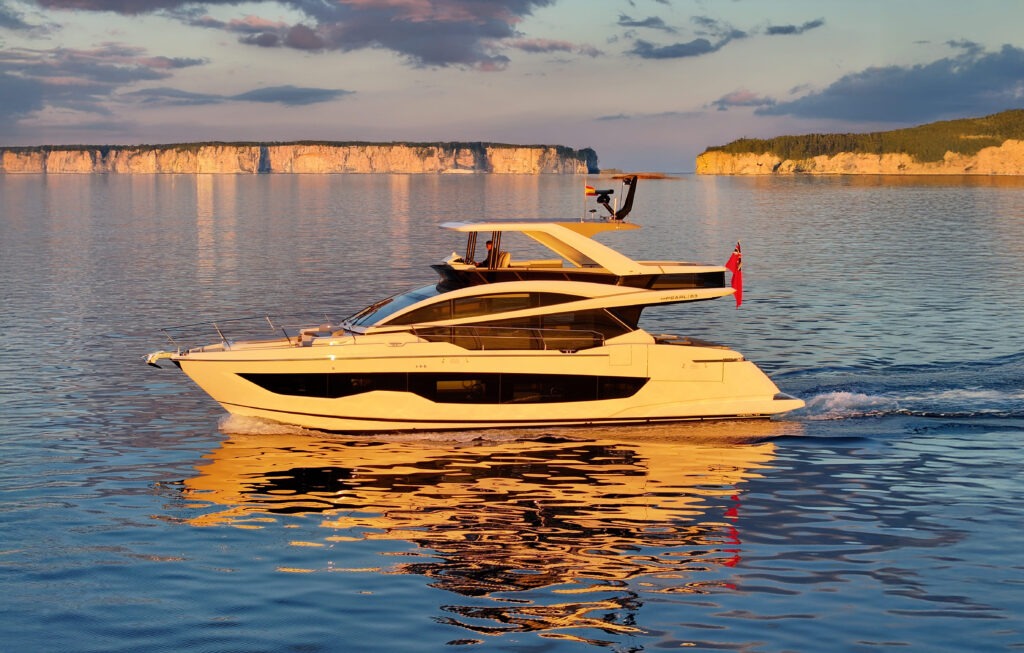
Above all, the flybridge style of boat isn’t just a style choice but an opportunity to carve out a unique social space and improve visibility and versatility. Whether it’s the Pearl 72 flybridge or the Pearl 82 flybridge yacht, there’s an array of options in this class to choose from. Here’s what you need to know about this type of vessel and why so many people in the yachting world make it their go-to option for sailing the ocean waves.
What is a Flybridge Yacht?
Starting with the basics, a flybridge yacht is a powerboat that comes with an upper-level deck helm station. Additional living space and seating sit above the main cabin. The easiest way to think about it is like having a second floor in an open-air salon.
Some of the things you’ll find on this upper deck include:
· The helm
· Navigation suite
· Companion seating beside the skipper.
· Lounge or dinette
· Wet bar or grill
· Hardtop/bimini
Despite the presence of this upper level, there’s nothing that changes elsewhere. Look at the layout of a yacht like the Pearl 72 flybridge, and you’ll still see the familiar layout of the main salon, cabins, heads, and the galley below. The point of the flybridge is to add an extra fully functional zone to make being onboard even more pleasurable.
Top 3 Reasons to Own a Flybridge Motor Yacht
One of the most common misconceptions about these vessels is that it’s simply about the living space. In a sense, that’s true, but the upper level also has a functional purpose because this is also where the skipper sits. It gives them a whole new perspective, and that doesn’t alter just how a yacht is enjoyed but how it’s sailed.
Let’s examine the top three reasons why owning a flybridge, or “fly”, is an excellent option for your next yacht purchase.
1. Unparalleled Visibility
Guests may take safety for granted until something goes wrong. It’s the job of the skipper and the crew to ensure maximum safety at all times. Piloting a flybridge means working from an elevated helm, which allows the skipper to see over the bow rise.
It’s an enormous advantage because it essentially allows you to look down on where you’re going, whether it’s a sand cut or a crowded marina over in Mallorca or Dubrovnik. In a real-world sense, it translates to:
· Easier Docking and Low-Speed Handling – With the higher sightline, you’re flattening out those blind spots and allowing yourself to read the wind and current on the surface of the water.
· Sea Traffic Detection – Every skipper knows the perils of dealing with small craft and an array of paddleboarders and other forms of traffic. The higher elevation means you’ll spot these potential obstacles earlier, even when dealing with glare and chop.
· Frictionless Inlet/Bar Crossings – From a high vantage point, it becomes more straightforward to read wave faces, sets, and shoal lines before committing to these tricky crossings.
Of course, modern vessels, like the Pearl 82 flybridge yacht, offer an array of tools for you to control navigation from up high. These might include stabilization systems, bow and stern thrusters, and joystick controls to allow you to navigate with precision.
2. More Living Space for Your Enjoyment
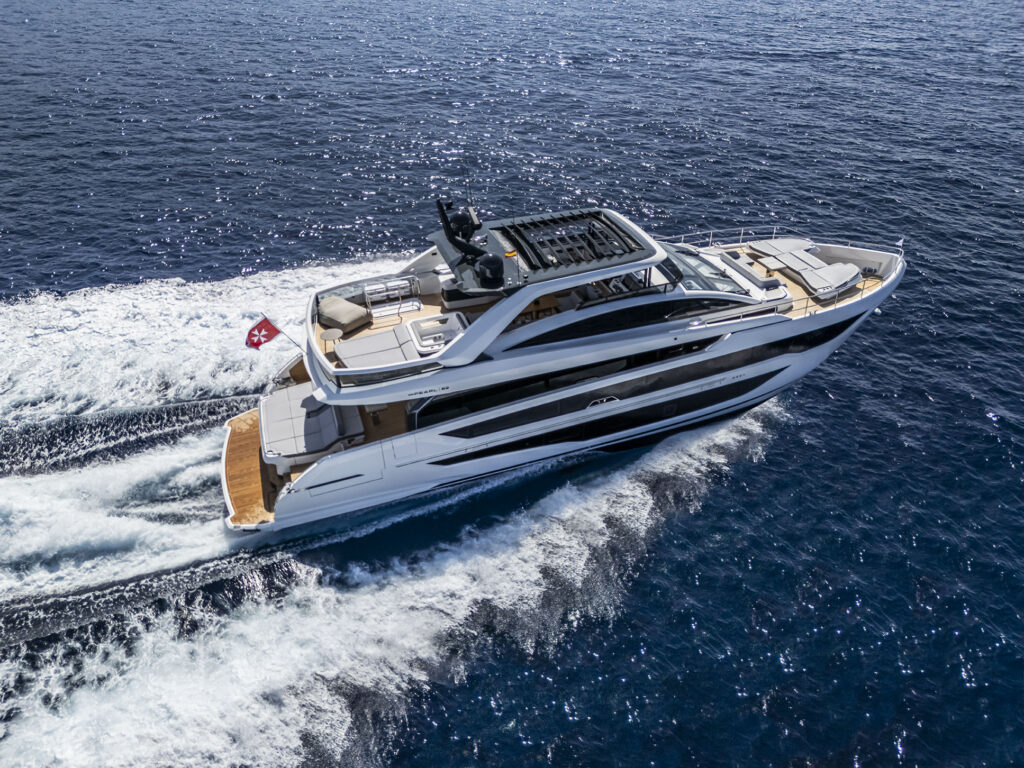
It’s impossible to ignore the benefits of having a whole extra living level. The flybridge isn’t just a new seat for the skipper but a second salon. The difference is it’s outside, lets in a pleasant breeze, and provides incredible views of the world’s coastlines.
It changes how you spend your time onboard because now you’ve got multiple spaces where you and your guests can enjoy your privacy. Alternatively, bring everyone together for some open-air dining or some sunset cocktails. If you’ve got a hardtop and clears, you’re looking at a convertible room, where it’s possible to enjoy a 360-degree panorama of your surroundings.
Anyone who has been around the yachting world for long enough will tell you that the flybridge on these vessels is usually the most popular part of the boat. Soon, it becomes the default breakfast, play, and relaxation area for guests of all ages.
3. Sailing Flexibility
The flybridge design lends itself incredibly well to cruises taking days and weeks. To the uninitiated, it’s a style choice, but, really, it’s a practical addition to your motor yacht for real cruising.
Essentially, you’ve got:
· Two different helms and two different climates.
· Better storage options with easier access to the boat’s systems.
· Wide variety of galley choices to match how you want to cruise.
· Extra cabin versatility. Many flybridges can either accommodate an extra cabin or extend the master cabin because of the additional volume.
On a side note, it’s worth mentioning that these benefits will reward you when it comes time to sell your vessel and upgrade to a newer model. This market has a deep buyer pool ranging from owner-operators and charter companies to family cruisers. Ultimately, having multiple levels on your boat is never going to go out of fashion.
Are Flybridge Yachts Top-Heavy?
Those who aren’t keen on flybridges will tell you that they’re vulnerable to the wind, thus making them top-heavy. In a way, they’re not entirely wrong about this because flybridges have an increased profile. Of course, the industry has dealt with this problem with some clever build additions, including:
· Lowering the centre of gravity through the choice placements of machinery.
· Adding wider beams and fine-tuned deadrises for more stability.
· Gyros and fins to tame roll and keep the boat steady.
· Enclosed/semi-enclosed bridges to improve the aerodynamics.
None of these solutions is 100% and you’re always going to get some air draft because you’re higher up. On the other hand, think of the trade-offs. You’re getting a second helm, the equivalent of your own floating sky lounge, and extra visibility. For most owners, it’s a trade-off well worth making.
How Do Flybridges Perform in Different Climates?
Part of the top-heavy argument against flybridges is that it puts them in the category of a “summer boat.” Outside of the prime cruising season in the Mediterranean, these vessels go back into the marina or long-term storage on dry land.
Again, there’s some truth to this, but shipbuilders have worked to counteract this perception. Today’s flybridges are all-weather yachts that can function throughout every season, but they require the right specs.
For example, including a hardtop and a fully enclosed flybridge equipped with heaters and fans will get you through any awkward shoulder season. Alternatively, incorporating blackout and UV blinds in the lower station will help you to avoid glare.
Climate control is possible, and you’re not forced to choose between an open or enclosed flybridge when you buy a boat for the first time.
Who is a Flybridge Yacht Perfect For?
Like all boats, there’s no single type that’s going to work for everyone. The right type of boat is the one that suits your needs. Think about how you’ll be using your boat and what you want to get out of the vessel.
Some examples of people who match up with flybridges include:
· Families looking for safe, separate spaces on board.
· Cruisers who regularly throw on-board events that need the extra seating.
· Owner-operators who are moving up in size and are concerned with calm docking.
· Charter companies that are looking for a boat that can appeal to their clients at any time of year.
In short, if any of these profiles sound like you, a flybridge might suit you as your next boat purchase. However, this isn’t something to immediately jump into. Take your time to think about what you want from your new yacht and speak to a yacht broker who can point you in the right direction.
Will you be choosing a flybridge as your next yacht of choice?
Flybridge Yachts FAQs
Are flybridge yachts harder to handle in the wind?
Compared to an express boat, flybridges do have to deal with more wind, but today’s designs counteract this problem through a combination of stabilising systems, thrusters, and joysticks. Any difficulties are also counteracted by the fact that you’ve got a better sightline via the elevated helm.
Is a flybridge a good choice for extreme climates?
Flybridges function in the cold of winter and in the hottest of summers. It’s all about the specs of your particular vessel. Opting for an enclosed hardtop equipped with fans and heaters transforms your boat into a shoulder-season vessel. On the other hand, adding covers as part of a lower climate-controlled space will help keep you comfortable during hot summer days.
Will a flybridge hurt my resale value?
Generally, flybridge boats tend to hold their value quite well. It’s because flybridges appeal to multiple audiences, and they never really fall out of fashion. If you’re concerned with being able to sell on your vessel a few years down the line, you’ve got nothing to worry about.