

On board yacht etiquette matters more than most realize. You’re on a valuable, moving asset governed by maritime law and run by a skilled crew. How you behave affects your experience, the crew’s, and even nearby boats. Charter guests and yacht owners have different roles. Guests join a professionally managed environment with set rules. Owners, however, shape the atmosphere and take responsibility for enjoyment, standards, maintenance, and the onboard culture.
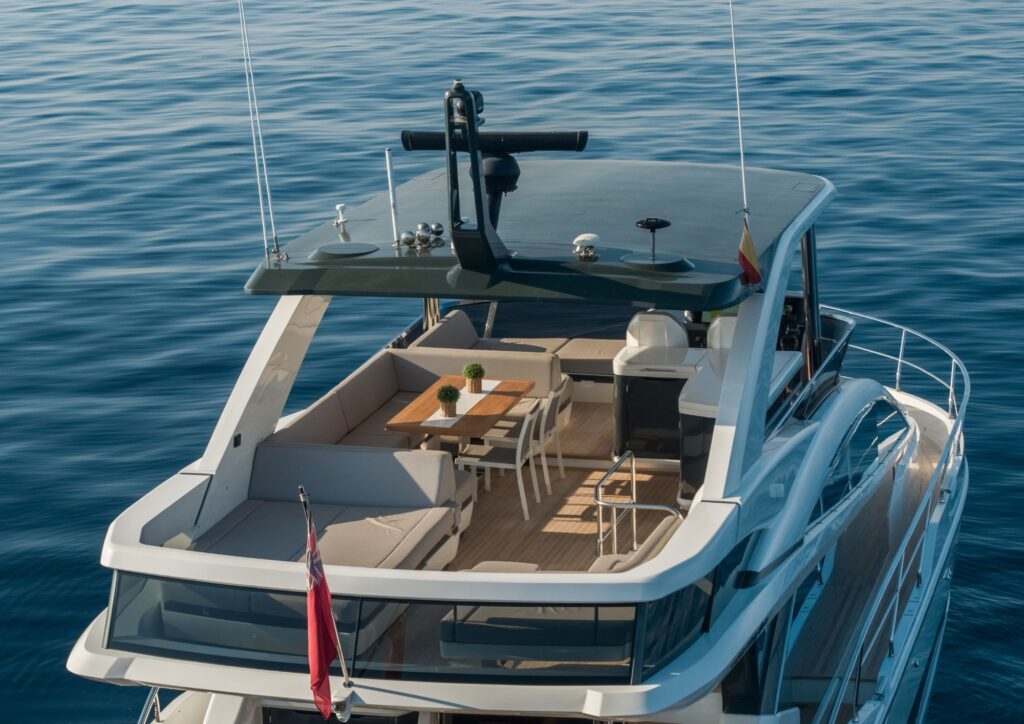
Whether you’re booking a last-minute charter, considering yacht ownership, or boarding a yacht 63 feet long for the first time, knowing yacht etiquette makes a big difference. The size, crew dynamics, and pace of life at sea require an awareness many first-timers don’t have.
This guide will help you avoid common mistakes and behave like a seasoned guest.
What Is On Board Yacht Etiquette?
On board yacht etiquette is a set of behavior rules created by the owner, crew, or marina to ensure a certain kind of yachting experience.
Respect for the Crew
To enjoy your trip, be clear about your needs. This is especially important for last-minute charters, where plans can change fast. Know the chain of command onboard: on smaller boats, the skipper has the final say since they’re responsible for the boat and your safety. On bigger yachts, like a 63 feet one, there’s a larger crew including the captain, deckhand, chef, and stewardess, each with their own role. Also, keep in mind that tipping customs differ by country before you charter.
Dress Code & Personal Presentation
You might think a swimsuit is all you need for a yacht charter, but that’s not the case. If you plan to visit restaurants ashore, many have strict dress codes, so bring some evening clothes. Also, remember that different cruising areas have their own cultural customs that you need to respect.
Wearing shoes on board is a big no in yachting. Teak decks look great but are delicate and need careful care. The crew will provide you with a slip-on or just go barefoot.
Guest Behavior & Social Awareness
Knowing social boundaries on board is key toon board yacht etiquette. A yacht is both a luxury space and a workplace. Respecting this balance is what sets experienced guests apart from beginners.
- Privacy and cabin boundaries matter. Guest cabins are private, and so are crew quarters. Guests should never enter crew areas unless invited. These spaces are the crew’s home during the season. Respecting these boundaries maintains professionalism, comfort, and trust for everyone on board.
- Be mindful of noise. Loud music late at night, shouting across decks, or early activity near cabins can disturb everyone.
- Drinking is part of the yachting lifestyle, but don’t overdo it. Too much alcohol can cause safety issues and awkward moments.
- Before sharing photos or videos on social media, think about privacy and security. Not all guests want to be online. Some itineraries, anchorages, or ownership details may be confidential. When in doubt, ask first.
Social awareness on a yacht isn’t about being strict. It’s about understanding the situation, respecting the crew’s workspace, and knowing that good behavior makes the trip better for everyone on board.
Last Minute Charters – Etiquette When Booking Fast
Last minute charters often offer great prices, but organizing them can be a real challenge for the crew. After booking, send important information to the crew as soon as you can to avoid misunderstandings on both sides.
Info to share:
- arrival/departure time
- check in information (guest number, identification)
- dietary restrictions
- allergies and medical data
- Itinerary if not already set.
- Your vision of the charter (easy-going, active holiday, party destination, etc.)
If you’re unsure about the itinerary, just share your expectations. The expert crew will customize the charter to fit what you want. Remember, even if you plan everything to the detail, sometimes it’s just not possible for the crew to follow through, because of exterior factors like weather, occupied moorings, etc.
Owning a Yacht – Etiquette as a Host
Owning a yacht means more than just enjoying it. As a host, you set the tone for behavior on board and make sure guests respect the yacht and crew. Clear communication, setting boundaries, and leading by example help create a smooth and enjoyable experience for all. Treating the crew well, keeping up maintenance, and following marina rules all affect your reputation as an owner.
Conclusion
Mastering on board yacht etiquette is about more than appearances; it’s about respect, awareness, and understanding the unique pace of life at sea. Whether you’re booking last minute charters, boarding a 63 feet yacht for the first time, or hosting as an owner, knowing the rules helps ensure smooth sailing for everyone. Respecting crew boundaries, staying socially aware, and leading by example turn a simple trip into a seamless luxury experience. Following these guidelines helps you avoid rookie mistakes, enjoy yourself more, and leave a positive impression on the crew and other guests. In the end, true luxury at sea is shown by behavior, not just yacht size.
Q&A
What is proper on board yacht etiquette for first-time guests?
Respect the crew, follow safety rules, dress appropriately, and understand that a yacht operates under maritime laws. Knowing the hierarchy and who is responsible for what on board is the key of a great yachting experience.
Are last minute charters different in terms of expectations?
With last minute charters, flexibility is important. Guests should be prepared for limited yacht options and adjust expectations regarding itinerary and special requests.
Does owning a yacht, compared to chartering, change the yachting etiquette?
When chartering, you step into a well-organized environment led by the captain and crew, and your role is to respect established protocols. When owning a yacht, you set the atmosphere. Your behavior defines onboard culture, guest standards, and crew morale. Owners must balance enjoyment with leadership, maintenance responsibility, and long-term asset protection. In short, charter guests follow the standard — owners create it.