

Size matters. In today’s luxury yachting industry, vessels are larger and more comfortable than ever. The problem with having an oversized vessel is that certain waterways are out of your reach, so what do you do? Chasing boats, or chasing yachts, are vessels designed to act independently of the mothership, serving as tenders, support vessels, and alternative rides to reach those hidden beaches and coves. They’re a must-have staple of any luxury yacht in Mallorca, or, indeed, any major marina in the world.
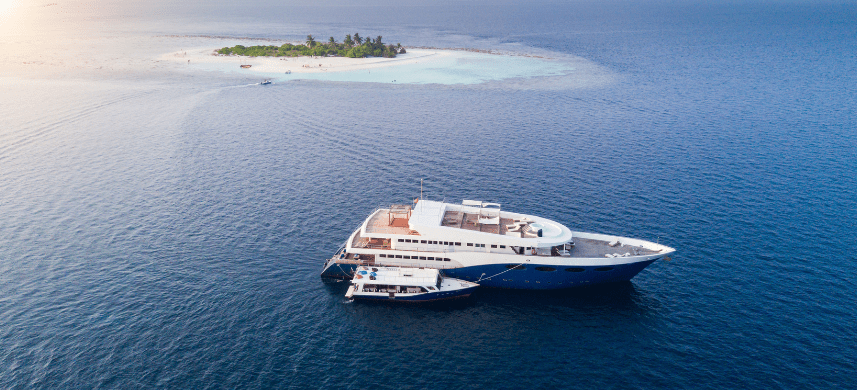
But what are these types of vessels, and should you buy one?
What are Chase Boats?
If you’ve ever spotted a superyacht and a speedy vessel jetting nearby, the chances are that what you’re looking at is a chase boat. It’s designed to accompany larger vessels while being entirely self-sufficient, with its own hull, engines, registration, and often accommodation.
Chasing boats are designed for speed and range without compromising comfort. They can accomplish a range of tasks, including:
- Scouting ahead of the main yacht
- Carrying water toys
- Ferrying guests into smaller anchorages
- Providing extra storage
Any large yacht to rent will have storage constraints to maintain comfort, but the same doesn’t apply to these support vessels. This means they can be packed to the brim while still providing compact cabins, galleys, and protected seating for crews and guests onboard.
The purpose of these yachts is to provide an unparalleled level of freedom. Chasing boats on superyachts is enormously common, due to their size, and they may even have other tenders and support yachts alongside them.
What defines them is that they’re totally independent and will usually have their own captains assigned to them. It allows them to operate without the support of the mothership, essentially creating the beginnings of a fleet.
How Do Chasing Boats Differ from Tender and Support Vessels?
The function and role of chasing yachts may make you wonder whether it’s an interchangeable term for a tender or a support vessel. This isn’t the case. They actually fit in between support and tenders in the yachting taxonomy.
Here’s a rundown of where these three categories of boats sit in the hierarchy:
· Tender – A tender is a small boat that is either stored onboard or towed. They’re not independent and are typically used for shuttling guests to and from the boat. They have a limited amount of storage and range.
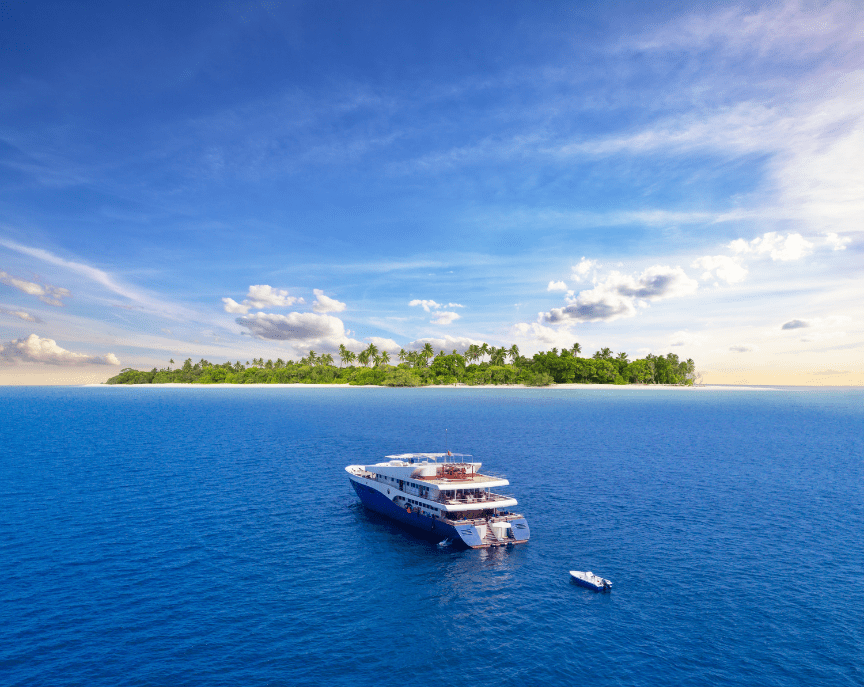
· Chase Boat – A chase boat always travels independently and may come with its own crew and captain. It can perform the functions of a tender but also act as a dayboat.
· Support – The support vessel is larger than a chase yacht and carries larger items. Like chasing yachts, they operate independently, but they can carry helicopters, extra crew, and even tender vessels.
The easiest way to think of a chase yacht is the happy medium between the agility of a tender and the functionality of a support ship. If you’ve ever seen the Azzam, the biggest yacht in the world, these are the types of ships that will always have support alongside them, rather than a chasing boat.
Why Use Chasing Boats on Your Next Charter
Chasing boats is the next step up in charter adventures around the Mediterranean and beyond. If you’re upgrading your yacht in Mallorca to get a true taste of luxury on the ocean waves, a chase boat is essential.
But why do so many charterers use these mid-range vessels?
Extra Freedom
Chase boats allow you to split the day neatly between the luxury onboard your primary vessel and the flexibility of being able to enter shallow anchorages and negotiate shorelines quickly in your support vessel.
Think about it like this:
- You sleep and wake on your main vessel for breakfast.
- You transition to your chase yacht to explore a hidden cove.
- You return to your primary vessel for lunch.
- You’re dropped off at an evening beach club by your chase boat.
Captains can also use them to collect provisions or make reservations on behalf of guests. It’s also common practice for captains to reserve spots within marinas to avoid any delays when they pull into port.
The Dayboat Experience
Chasing vessels are standalone boats that don’t require any support from the mothership. Larger vessels are usually slow and ponderous, but chasing yachts move at speed. It allows you to move from destination to destination quickly while still allowing you to retain the standard of comfort you expect.
Water Toy Platform
Limited space on the mothership means you’re often left making tough decisions about what to bring. These boats don’t have this problem because they can essentially act as an independent watersports platform. Sometimes, they may even come equipped with small cranes for lifting heavier gear.
Some guests choose to use them as bases for wakeboarding, diving, and fishing. This is often a must-have because of legal size limitations on where larger vessels can go, particularly within protected areas.
Comfort With Speed
Step aboard the biggest yacht in the world and you’re entering a world of unparalleled luxury. The problem is their size means they can only move so quickly, meaning you’re often left visiting fewer places.
These boats overcome this problem because they can move within the 30-40-knot range, and some will move even faster. Extra speed isn’t just about the thrill but about increasing what you can do within a single day without dragging the mothership around with you.
Ultimate Privacy
Guests often want privacy because that’s what being in the middle of the ocean is all about. Some guests are also looking to make a quiet entrance without the furore of a superyacht pulling into the marina.
One of the bonuses of using a chase yacht is that they can be used for shuttling guests to events onshore while leaving the mothership hidden in some tranquil bay somewhere.
Size, Layout, and Performance: What Does a Chase Yacht to Rent Look Like?
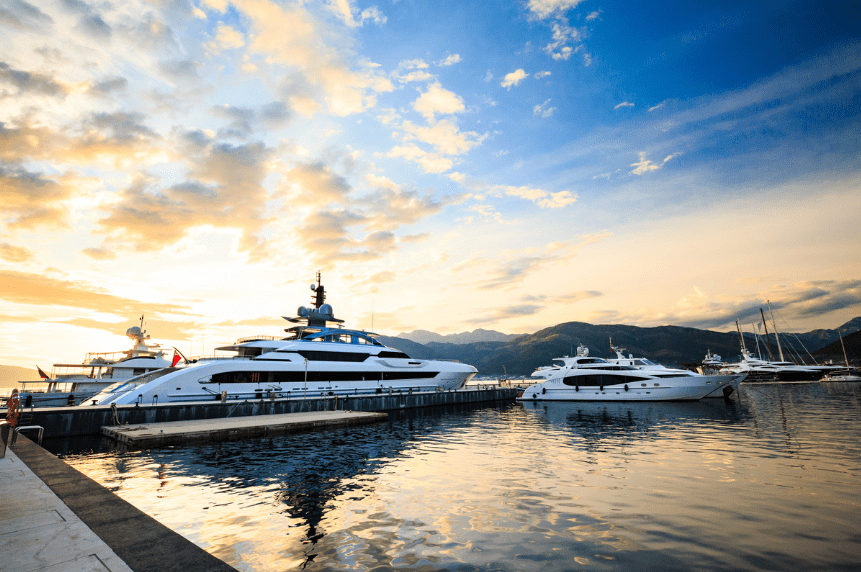
The majority of chasing yachts fit within the 8-20-metre range. In this category, you’re likely to see layouts like enclosed cabin versions, open walkarounds, and sun-top styles. If we’re talking about a 12-15-metre boat, you can expect forward cabins and swim platforms, alongside walkaround decks.
Since one of the main reasons for having this class of vessel is storage, you’ll see a variety of ingenious methods for storage. You’ll find configurable seating, lockers, and toy racks. Plus, multi-use areas are huge, where you can convert areas from lounges to dining rooms and back again.
But how do they perform on the water?
Power is what these boats are about because the goal is to get somewhere faster than you could on the mothership. Typically, these boats will use inboard diesels or twin and triple outboards, giving you horsepower of up to 2,000. Remember, it doesn’t just have to race ahead of the mothership. It often has to catch up at the end of the day.
How are Chase Boats Operated?
Chase boats are part of a miniature fleet, meaning they will have their own dedicated captains and crew. It’s these teams that are responsible for the fuelling, maintenance, and positioning of these boats.
During the main yachting season, it’s not uncommon that the chasing yacht will be stored in a convenient marina to await arrivals or reserve spots. Of course, these vessels usually aren’t large enough to deal with oceangoing crossings, meaning they’ll either be stored in their home ports or shipped. If choosing the latter, this can add massive costs to running them.
Conclusion: Do I Need a Chase Boat?
Only you can answer this question. Not everyone needs one, whereas others will find them to be a non-negotiable part of their yachting adventures. Here’s what to consider:
- Your cruising style
- Guest count
- Watersports interest
- Crew bandwidth
- Comfort
Ultimately, if you’re someone who likes hopping from place to place or holding large parties on board your mothership, yes, these boats are a must-have. It largely depends on your budget and whether you actually need one.
Will you be purchasing a chase boat for the upcoming season?
Chasing Boats FAQs
Can chase boats replace a tender?
Sometimes they can and sometimes they can’t. The problem with chase boats is that they can’t be stored onboard in most cases, meaning you’ll usually still need a tender for emergencies, rapid launches, or when larger vessels are restricted from a particular harbor.
Are chase boats only for superyachts?
Not at all. Chase boats can often be found alongside much smaller vessels, including 30-metre yachts. The goal isn’t purely to have more storage space but to provide more range and flexibility.
What’s the fuel economy of a chase boat?
A chase boat is built for speed, so expect significant fuel consumption. A triple-outboard boat of 12 metres cruising at 30 knots could burn as much as 250 litres per hour. Heavier diesel engines will burn even more when going at top speed. That’s why it’s vital to factor fuel economy into whether you want to buy one of these vessels.